Your order volume changes the software bill
Base combines subscription and order-volume pricing, with a separate Enterprise offer. Compare your actual account costs with the implementation, hosting and maintenance of an owned application.
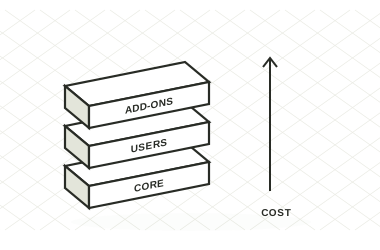

Build an owned order-management workspace when standard ecommerce flows no longer fit. Open Mercato brings customer, catalog, order and shipment records together as the foundation for your custom operation.
 MIT open source
 1,928 stars on GitHub
 50+ plugins
Base combines subscription and order-volume pricing, with a separate Enterprise offer. Compare your actual account costs with the implementation, hosting and maintenance of an owned application.
B2B approvals, custom fulfilment rules and unusual ERP handoffs need more than another manual step. Implement the rules around your own order and customer data in Open Mercato.
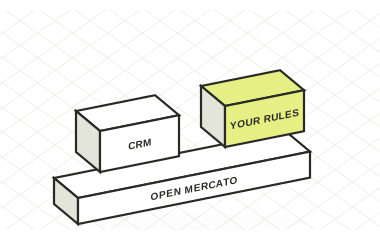
Base has a large ready-made integration catalog. List every marketplace, store, carrier and ERP flow before a migration. Open Mercato integrations are explicitly assessed and built for the project.
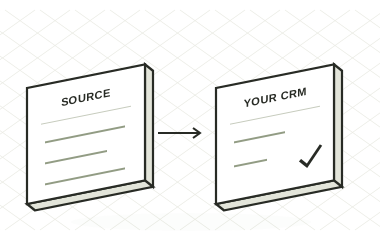
Connect people and companies with sales documents, addresses and activity history.

Use catalog and sales-channel modules as the basis for your product and pricing model.
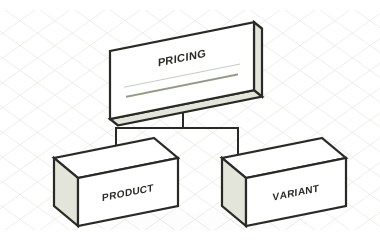
Work with order records, sales adjustments, payments and shipment information in the sales modules.
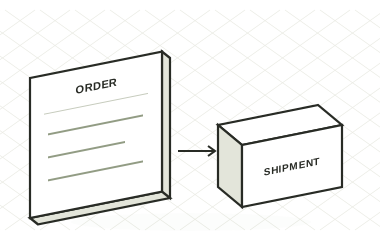
Implement approvals, routing and ERP exchanges with workflows and APIs. Channel synchronization, labels and provider connections are scoped integration work.
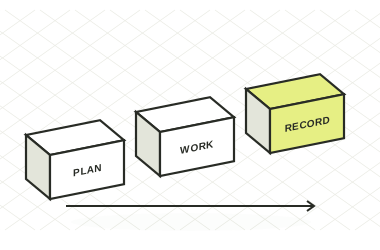
Compare the operational foundation and the integration work required. Base has a ready-made connector ecosystem; Open Mercato is built for a scoped custom implementation.
| What your team gets | OWN YOUR ORDER WORKFLOWOpen MercatoSales + catalog + custom integrations | Base / BaseLinkerEcommerce operations platform |
|---|---|---|
| Where Open Mercato adds control | ||
| Run the application on your infrastructure | ✓ | ×Hosted service |
| Application core under an MIT licence | ✓ | ×Commercial platform |
| No per-order core licence charge | ✓Services and hosting extra | ×Volume-based commercial model |
| Capabilities available in both | ||
| Customer and order records | ✓ | ✓ |
| Products and variants | ✓ | ✓ |
| Payment and shipment records | ✓ | ✓ |
| Workflow automation | ✓Configure the engine | ✓Automatic actions |
| Implementation and scope | ||
| Ready-made marketplace and carrier catalog | ×Scope individual integrations | ✓Large integration ecosystem |
| Project-specific ERP connections | ↗Implementation | ↗Connector / partner scope |
| Custom order rules in your own application code | ✓Development required | ↗Product / Enterprise scope |
This compares order-management scope, not full ecommerce feature parity. Stock synchronization, marketplace listings, carrier labels, invoicing and country-specific requirements need separate validation. Open Mercato hosting, integrations and maintenance are paid delivery/operating work.
Reviewed 12 November 2026. Sources: Base pricing and capabilities · Base ERP integrations · Open Mercato core · Customer records
| What matters | Base / BaseLinker | Open Mercato |
|---|---|---|
| Order management | Managed multichannel order platform. | Order, customer and shipment records with custom workflows. |
| Marketplace connections | Large ready-made integration catalog. | Assess and implement each required channel connection. |
| Commercial model | Subscription and volume-based plans. | MIT core without per-order licence charges; infrastructure and services cost separately. |
| Business rules | Automatic actions and product configuration. | Application-level rules, custom modules and workflow implementation. |
| Migration | Orders, products, offers, identifiers and connected systems. | Pilot one channel, reconcile data and validate the complete fulfilment path. |
The MDM NT case study describes a custom shipping implementation connected to business systems. It illustrates the delivery approach; it is not a claim that every Base connector is available out of the box.
Read the MDM NT story ↗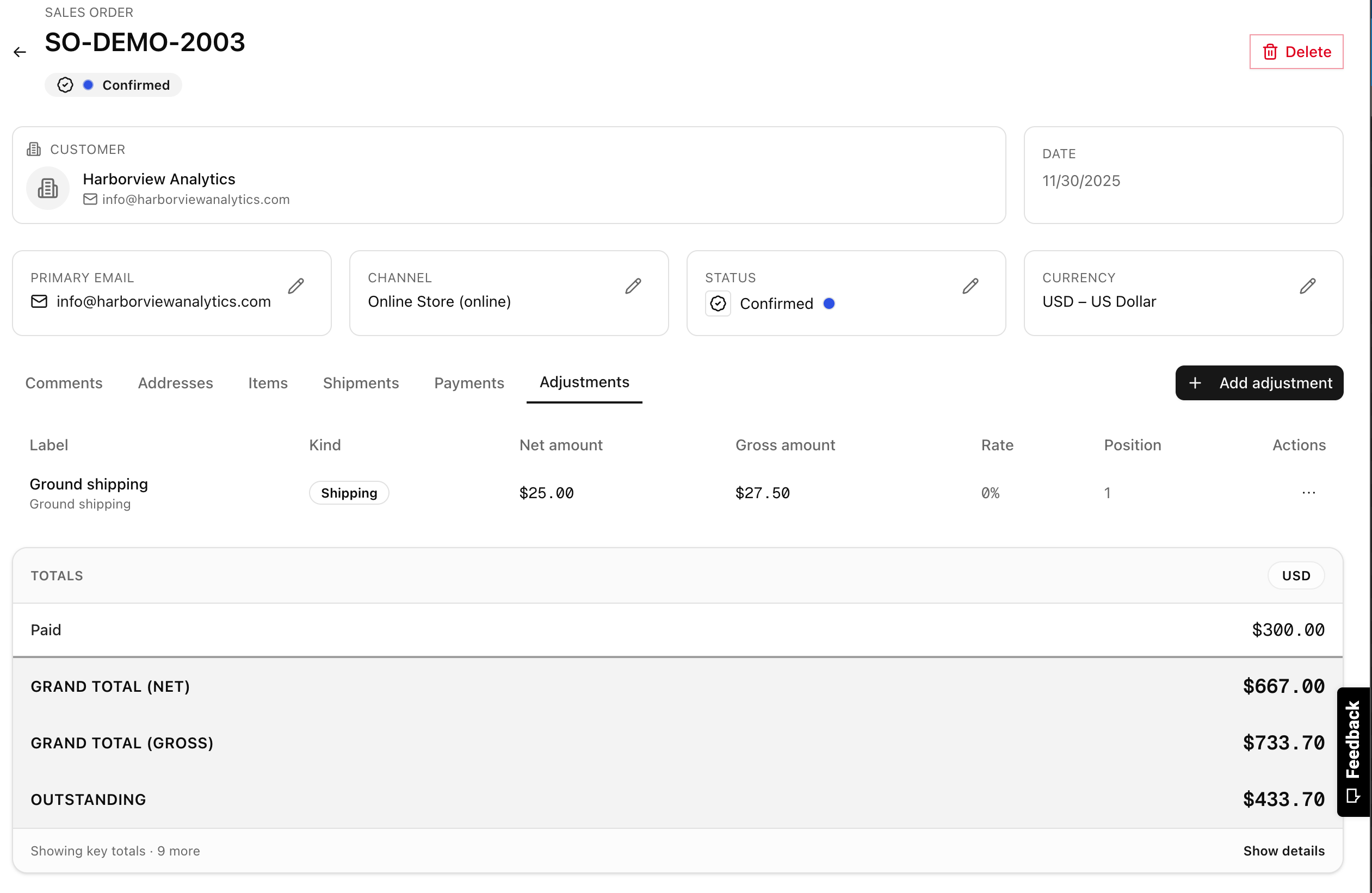
List marketplaces, stores, carriers, ERP systems, warehouses, currencies and every automatic action. Identify which connections can stay during a phased rollout.
Preserve SKU and offer identifiers, order statuses, addresses, payments and shipment references. Assign the system of record for stock and prices.
Test order intake, updates, stock behavior, cancellations, payment reconciliation, labels and tracking. Include retries, duplicate prevention and failure alerts.
Set a data freeze and final synchronization plan, reconcile open orders, train operators and retain a tested rollback path.
No. Base provides a large catalog of ready-made ecommerce integrations. Open Mercato is a custom application foundation. The required marketplace, carrier and ERP connections must be assessed and implemented before switching.
The MIT-licensed core has no per-order licence fee. Hosting, implementation, maintenance, support and external-provider usage still contribute to total cost.
A hybrid architecture can be scoped with Base handling selected channels and Open Mercato owning customer or operational processes. Define record ownership, synchronization and error handling before implementing it.
When a distinctive operational workflow, code ownership or long-term application control justifies a custom implementation. A standard connector-led shop may be better served by a ready-made ecommerce platform.
Start with your channels, monthly order range, ERP and fulfilment rules. Scope a practical pilot before committing to a full migration.
Talk through your process, integrations and implementation needs with the Open Mercato team.