Orders and conversations are scattered
Customers use calls, emails and messages. Give account managers a shared customer record, then scope the intake and communication integrations that match those channels.
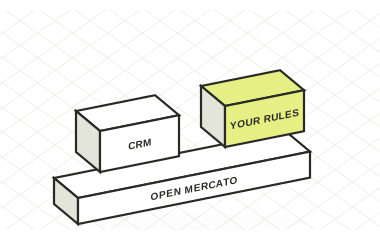

Repeat orders, negotiated prices and delivery questions are part of the same relationship. Build a wholesale CRM that connects customer history to the commercial and operational records your team needs.
 MIT open source
 1,928 stars on GitHub
 50+ plugins
Customers use calls, emails and messages. Give account managers a shared customer record, then scope the intake and communication integrations that match those channels.
Different accounts, volumes and agreements need clear commercial rules. Build on catalog pricing and scope account-specific terms explicitly.
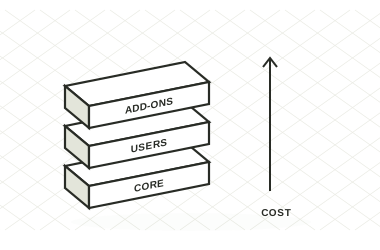
Connect order and shipment context to the account workflow so the sales team can find the information it needs.
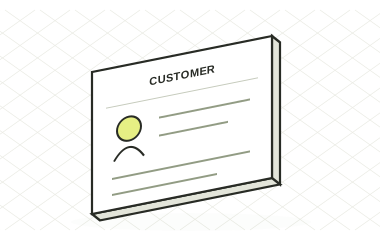
Companies, contacts, addresses, activities and notes preserve the history beyond one salesperson.
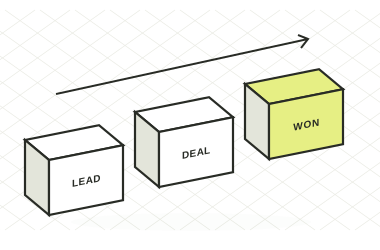
Use deals, stages and logged interactions to organize new business and account development.
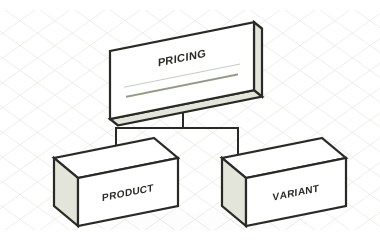
Products, variants, channel prices, quotes and orders provide the starting point for your wholesale rules.
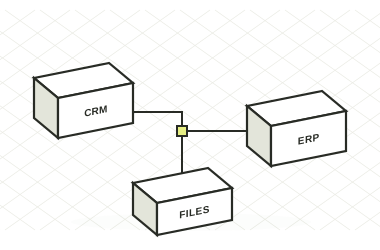
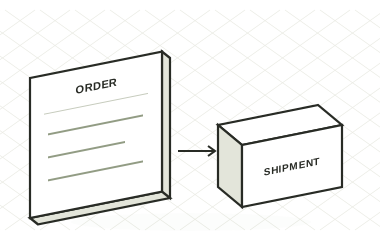
Connect customer records to the order, shipment and ERP information relevant to the conversation.
Keep the familiar customer and order information. Add the connections and permissions that separate files leave to your team.
| What your team gets | ONE ACCOUNT PICTUREOpen MercatoCRM + sales and catalog modules | Spreadsheets + emailSeparate files and manual handoffs |
|---|---|---|
| Where Open Mercato adds control | ||
| Built-in links between accounts, contacts and deals | ✓ | ×Manual cross-references |
| Linked quotes, orders and shipment records | ✓ | ×Separate records |
| Built-in product, variant and channel pricing | ✓ | ×Separate price files |
| Application roles and feature permissions | ✓ | ×File access only |
| Capabilities available in both | ||
| Store company and contact details | ✓ | ✓Manual records |
| Keep notes about customer conversations | ✓ | ✓Files and email |
| Track opportunities and pipeline stages | ✓ | ✓Manual tracker |
| Implementation and scope | ||
| Apply account-specific contract pricing | ↗Agreement rules | ×Manual price checks |
| Synchronize accounts, products and orders with ERP | ↗ERP integration | ×Manual handoff |
Baseline: separate spreadsheets and email, without an integrated CRM. Customer-specific contract pricing and ERP synchronization are project requirements to implement and test.
Reviewed 12 November 2026. Sources: Catalog and pricing · Open Mercato core · Customer records
| What matters | Wholesale requirement | Open Mercato |
|---|---|---|
| Account knowledge | Can someone take over a customer conversation? | Linked people, companies, notes and activities keep the context accessible. |
| Pricing agreements | How are customer-specific rules applied and checked? | Use catalog pricing foundations and implement the agreement rules in scope. |
| Repeat purchasing | Which steps are repeated on every order? | Extend customer and sales workflows around the recurring process. |
| ERP connection | Which account, SKU and order data should synchronize? | Build a defined integration with stable identifiers and clear ownership. |
| Team access | Which users need to see or change commercial data? | Roles, feature permissions and organization scope support access control. |
Open Mercato documents company, contact and deal workspaces alongside catalog pricing and sales documents. Your implementation adds the account-specific rules and connections your wholesale business needs.
Explore Open Mercato CRM ↗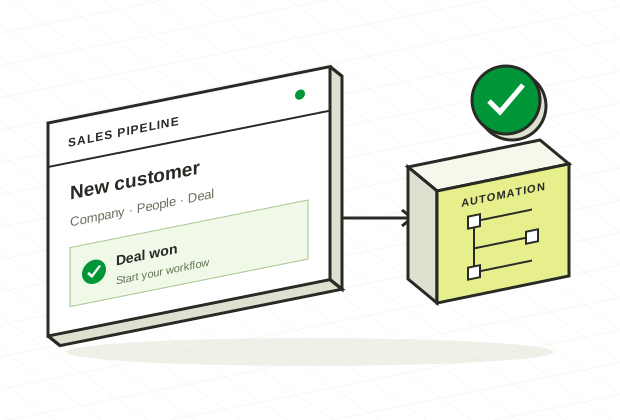
Include a frequent buyer, a negotiated-price account and a customer with multiple delivery locations.
Clean company and contact data, preserve ERP IDs and define pricing ownership.
Run a new quote, a repeat order and a delivery query with the account managers who handle them.
Measure repeated entry, pricing corrections and time spent answering order questions before adding more accounts.
The catalog provides product, variant and channel pricing foundations. Customer contracts, volume tiers and negotiated exceptions should be specified and tested in your implementation.
Those intake channels require appropriate integrations and validation. Scope how a message becomes a draft order, who approves it and how customer and SKU matching work.
A wholesale CRM can operate alongside your current ERP. Define which system owns the customer, price, stock and invoice records, then scope the required connections.
The API and modular architecture provide a foundation for a customer portal. Authentication, customer-specific catalogs, pricing and order permissions belong in that portal's delivery scope.
Its contacts, pricing agreements and order history will help define what the CRM needs to make available to everyone who serves it.
Talk through your process, integrations and implementation needs with the Open Mercato team.