HubSpot Sales CRM alternative

Build the custom records your sales process needs.

Keep customer records, deal pipelines and sales activity together. Open Mercato gives your team an open-source foundation for the custom records, workflows and integrations your next stage needs.

MIT open source1,928 stars on GitHub50+ plugins

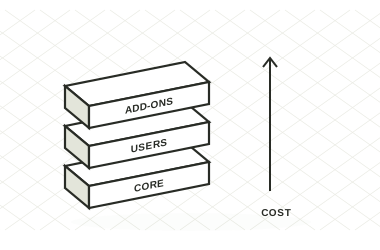
Custom objects and advanced features change the HubSpot budget.

Custom objects require HubSpot Enterprise

Reviewers point to cost increases when moving into advanced features. HubSpot's custom objects require an Enterprise subscription. Scope your own data model on Open Mercato with implementation effort made explicit.
Your business stops fitting the standard records

Assets, contracts, locations and service processes can become awkward when everything is forced into a contact or deal. Add purpose-built entities and relationships around the work you actually do.

Moving customer history feels risky

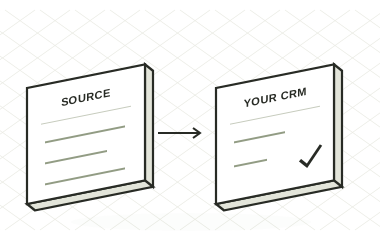
Deal stages, associations and activity context need to survive the move. Rehearse those relationships with a sample before deciding how much of the sales workflow to migrate.

Customer records, pipelines and your own business objects.

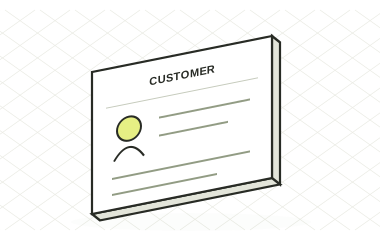
A shared customer history

Connect people, companies, addresses, notes, activities and deals.

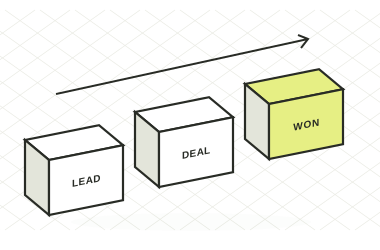
A configurable deal pipeline

Work with stages, deal value, close dates and probabilities in board and list views.

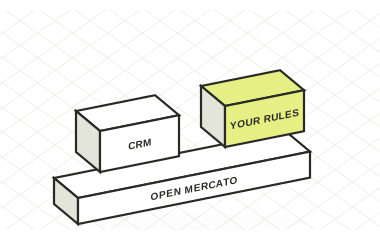
Custom records and processes

Extend fields and entities, then implement the workflow and reporting your business requires.

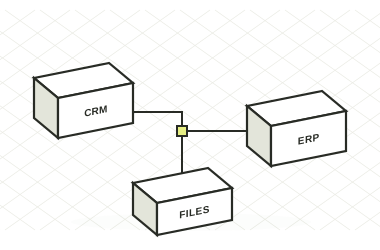
Connections to operations

Build on sales and catalog modules when the customer journey extends into quotes, orders and fulfilment.

Feature by feature

Your sales essentials, with room to build your own way.

Bring contacts, deals and activity together. Add the records your business needs and keep control of the code and deployment.

What your team getsGROW ON YOUR TERMSOpen MercatoCore CRM + extensible data modelHubSpotSales CRM · plan dependent
Where Open Mercato adds control
Run the CRM on your own infrastructure✓×HubSpot-hosted
Full application core under an MIT licence✓×Proprietary platform
$0 core licence fee, without a user cap✓Hosting and services extra×Free tools: 2 users
Capabilities available in both
Company and contact records✓✓
Deals and sales pipelines✓✓Plan limits apply
Notes and activity history✓✓
Custom fields / properties✓✓Plan limits apply
Custom business objects✓Extend the data model✓Enterprise subscription
Workflow automation✓Configure the workflow engine✓Plan dependent
APIs for custom integrations✓✓API limits apply
Available in the stated scope Not included in this model Requires implementation

This table covers selected Sales CRM capabilities. HubSpot marketing, service and revenue products are assessed separately; required integrations and migration work are scoped for your project.

Reviewed 12 November 2026. Sources: HubSpot Sales CRM · Custom objects · Free tools and limits · Open Mercato core · Customer records

Explore implementation and commercial details
What mattersHubSpotOpen Mercato
Customer recordsContacts, companies and deals in HubSpot's CRM.People, companies, deals, notes and activities in the core CRM.
Custom objectsAn Enterprise subscription is required for custom objects.Extend entities and fields in your application, with development scoped to the requirement.
AutomationWorkflow capabilities vary by Hub and subscription.Use the workflow foundation and APIs to implement your process.
Commercial modelHub and seat choices influence the subscription.MIT-licensed core with hosting, implementation and support budgeted separately.
Hosting and sourceHubSpot operates its cloud service.Choose the environment and control the application source.
Marketing stackMarketing Hub offers a broader marketing product suite.Scope required email, attribution, forms and marketing integrations individually.
Explore Open Mercato CRM

Try the records your sales team will work with.

Inspect the customer and deal workspaces, then explore the custom-field configuration. Use real examples from your business to decide what to configure and what to extend.

Explore Open Mercato CRM ↗
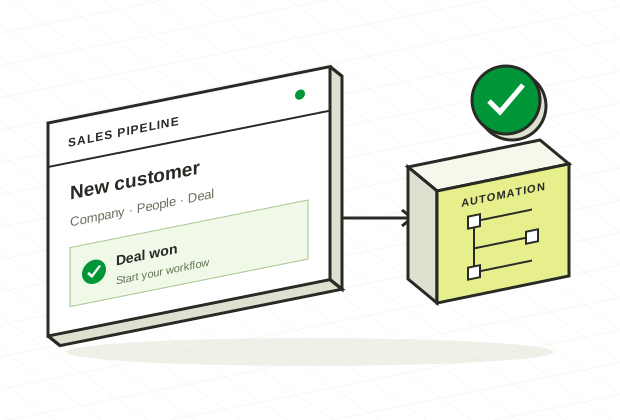
A won deal starts a configured CRM automation workflow

Move the relationships that make your CRM useful.

  1. Define the sales scope

    Inventory contacts, companies, deals, pipelines, custom objects, reports and the Hubs your sales team uses.

  2. Map records and associations

    Preserve source IDs, owners, stages and company-contact-deal relationships. Decide how activity history and attachments will be retained.

  3. Test the connected workflow

    Review sequences, email/calendar connections and marketing handoffs. Reimplement or integrate each required behavior and pilot with users.

  4. Reconcile and switch

    Validate record counts and relationships, handle final changes and train the team on the new process.

Questions before you take the next step.

Does this replace every HubSpot Hub?

The strongest fit is a custom Sales CRM and operational workflows. Marketing automation, ad attribution, CMS, service tooling and HubSpot-specific integrations need a separate scope review.

What happens to workflows and email sequences?

Inventory their purpose, triggers, conditions and connected services. Your implementation team can then decide which behaviors to rebuild and which services to connect.

Can we keep HubSpot for marketing?

A phased architecture can keep a marketing service connected to a custom operational CRM. Define the owner of each field, consent record and lifecycle update, then test the synchronization.

How do we estimate the migration?

Start with record volumes, custom objects, association rules, activity history and integrations. A representative export helps establish the data work before a delivery estimate is agreed.

Show us where your sales workflow has outgrown the setup.

Bring your pipelines, custom-object requirements and integrations. We can help you assess a CRM implementation around them.

Discuss your HubSpot migration

Talk through your process, integrations and implementation needs with the Open Mercato team.