The seat bill grows with your team
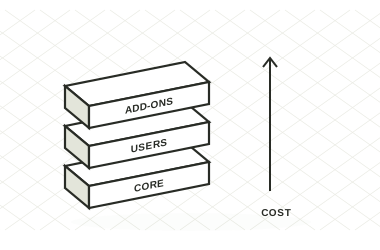
Giving more colleagues access adds another recurring cost. The open-source core has a $0 licence fee, so the commercial discussion can focus on hosting, delivery and support.

Bring contacts, companies and deals into a CRM your team can shape. Open Mercato gives you an MIT-licensed application foundation, control over deployment, and a clear path to the workflows your business needs.
 MIT open source
 1,928 stars on GitHub
 50+ plugins
Giving more colleagues access adds another recurring cost. The open-source core has a $0 licence fee, so the commercial discussion can focus on hosting, delivery and support.
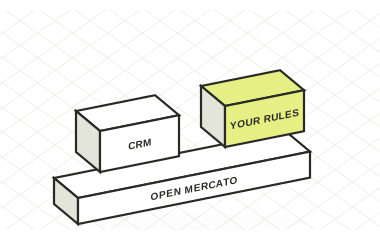
Your accounts, approvals and customer history need to fit together. Extend records and workflows in one application instead of maintaining an ever-growing set of disconnected tools.
Self-hosting needs someone to own updates, backups and recovery. Choose an internal operator or delivery partner and agree those responsibilities as part of the rollout.

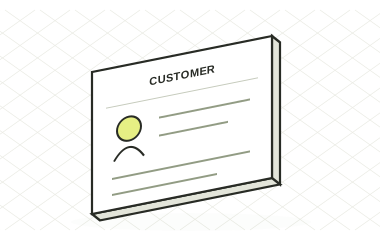
Linked people, companies, addresses, notes and activities keep the customer relationship in context.
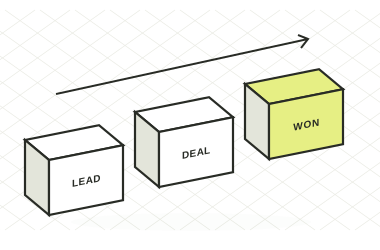
Use deal stages, values, probabilities and expected close dates in list and kanban views.
Add custom fields and entities, then extend the application with purpose-built modules.
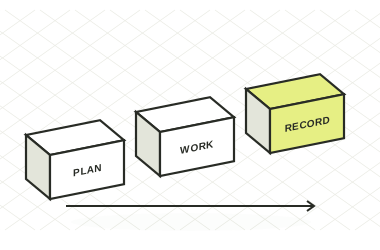
Use roles, feature permissions and organization scope to define who can view and change records.
Compare a self-hosted Open Mercato deployment with Salesforce's managed CRM service: familiar sales tools, with a different ownership model.
| What your team gets | YOUR INFRASTRUCTUREOpen MercatoSelf-hosted CRM foundation | SalesforceManaged cloud CRM |
|---|---|---|
| Where Open Mercato adds control | ||
| Run the CRM on your own infrastructure | ✓ | ×Salesforce-hosted |
| Full application core under an MIT licence | ✓ | ×Proprietary platform |
| $0 core licence fee, without a user cap | ✓Hosting and services extra | ×Free Suite: 2 users |
| Capabilities available in both | ||
| Company and contact records | ✓ | ✓ |
| Deals and sales pipelines | ✓ | ✓ |
| Notes and activity history | ✓ | ✓ |
| Custom fields | ✓ | ✓Plan limits apply |
| Quotes and order records | ✓Sales module | ✓Edition dependent |
| Roles and permissions | ✓ | ✓ |
| Custom business entities | ✓Extend the data model | ✓Paid editions |
| Workflow automation | ✓Configure the workflow engine | ✓Edition limits apply |
Salesforce is the named hosted-CRM reference in this table. Self-hosting includes responsibility for updates, backups and recovery, assigned to your team or partner.
Reviewed 12 November 2026. Sources: Salesforce features · Free Suite limits · Open Mercato core · Customer records
| What matters | Buying decision | Open Mercato |
|---|---|---|
| Software licence | Check the edition and user limits of each shortlisted CRM. | The Open Mercato core is MIT licensed with a $0 licence fee. |
| Hosting | Decide where customer data and backups should live. | Deploy in your environment and set your own data residency requirements. |
| Customization | List the processes and records your CRM must represent. | Extend fields, entities, modules and workflows in code. |
| Operations | Assign patching, monitoring, backup and recovery ownership. | Your team or an implementation partner operates the deployment. |
| Budget | Include implementation and ongoing service costs. | Scope infrastructure, integrations, support and development separately. |
Explore the customer workspace and public source code. Your technical team can review how data, permissions and extensions work before choosing a production architecture.
Explore Open Mercato CRM ↗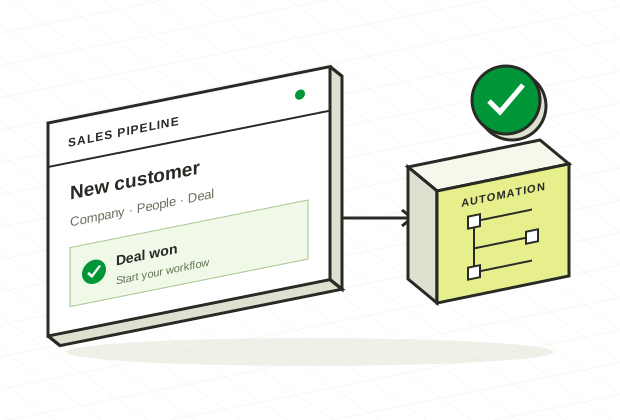
Agree hosting region, organizations, access roles and who will run the service.
Map accounts, contacts, deals and source identifiers. Clean duplicates and test a sample import.
Run a pilot with sales users. Verify permissions, key integrations and a backup restoration.
Agree cutover, recovery steps, monitoring and support ownership before wider rollout.
The core software is MIT licensed. Budget separately for infrastructure, configuration, custom development and ongoing operations. A delivery partner can quote those services for your scope.
A migration starts with your export or API access, a record and relationship map, and a sample import. Workflows, attachments and integrations need their own validation. The delivery scope depends on the source system.
Your internal team or a contracted partner. Agree patching, monitoring, backup restoration, incident handling and response times in the operating plan.
Yes. Explore the public demo, create a sandbox or inspect the repository. A production deployment should then be configured and tested against your business requirements.
Tell us where the data should live, how many people need access and what your current CRM makes difficult. We can help you find an implementation route.
Talk through your process, integrations and implementation needs with the Open Mercato team.